
 407-416-2704
 4.9-star rating on over 750 Google reviews
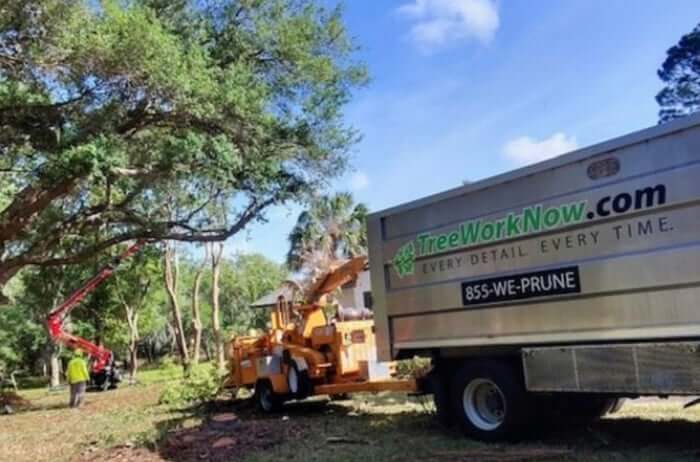
A lot of homeowners find out about Orlando’s tree ordinances and tree permits the hard way. You own the property, the tree is in your yard, and it doesn’t occur to you that you’d need government permission to cut it down. But in many parts of Central Florida, you do.
Central Florida has some of the more detailed tree protection rules in the state, and they vary by municipality and county. The fines for violations can run well past what the removal itself would have cost, so the jurisdiction question matters before anyone picks up a chainsaw.
Whether the rules feel reasonable or like overreach probably depends on the specific tree and the specific situation. Plenty of homeowners find them frustrating. The regulations exist because Florida’s canopy does real work: stormwater management, cooling, habitat, property values. Local governments decided those things were worth protecting by ordinance. You can disagree and still owe the fine.
Here’s how it breaks down by area.
Inside Orlando City Limits: The Tree Protection Ordinance
Within the City of Orlando, the tree protection ordinance covers most trees with a trunk diameter of four inches or more, measured at four and a half feet above the ground. Arborists call this DBH, diameter at breast height. It’s standard measurement in the industry.
Four inches is about the diameter of a softball. That threshold is lower than most people expect, which means the ordinance covers a lot of trees homeowners might assume are too small to matter. That scraggly camphor in the side yard probably qualifies. The volunteer oak that seeded itself by the fence likely does too.
To remove a protected tree, you need a permit from the City’s permitting office. The application asks for the species, size, and location, and requires you to explain the reason. Valid grounds typically include dead, diseased, hazardous, or actively damaging structures. Wanting it gone because you don’t like it isn’t a justification the city recognizes.
The City may also require mitigation, meaning you plant replacement trees to offset the canopy loss. For large or heritage-sized specimens, that requirement can be substantial. Removing a mature live oak might mean planting two or three replacement trees of a specified minimum size. Some homeowners are surprised by that part.
Orange County: Similar Spirit, Different Details
A lot of the Orlando metro area falls in unincorporated Orange County rather than inside city limits, which means county rules apply instead of the city ordinance. Orange County uses the categories of "grand trees" and "heritage trees" based on size thresholds that vary by species.
Heritage trees get the highest level of protection. These are generally the largest, oldest specimens: big live oaks, mature bald cypress, trees above a specific diameter threshold. Removing one without authorization can bring a fine of up to $500 per inch of trunk diameter. On a 30-inch live oak that works out to $15,000, and that math is intentional. The penalty structure is meant to make unauthorized removal less economically rational than going through the process.
The county process works similarly to the city; application, reason, possible mitigation requirement. Dead or genuinely hazardous trees tend to move through without much friction. A healthy tree you want gone for construction or preference reasons will get more scrutiny, and may require mitigation planting even if approved.
Seminole and Volusia Counties
Seminole County covers Altamonte Springs, Casselberry, Lake Mary and the surrounding areas. It has its own ordinance with its own thresholds, and the specifics differ from Orange County in ways that matter. Their planning department is the right starting point; the code is available online but the current enforcement interpretation sometimes lags what’s posted.
Volusia County, which covers Daytona, DeLand, and Deltona, tends toward less restrictive rules than the counties closer to Orlando. That said, tree permits are still required for large or significant trees in residential zones, and the county does enforce them. Assuming Volusia is a free pass is its own kind of risk.
For any county or municipality in Central Florida: call the permitting office before scheduling the work. It takes ten minutes and removes all the uncertainty about whether you need a permit and what it requires. That call is a lot cheaper than finding out after the fact.
What If the Tree Is Dead or Dangerous?
Dead, dying, and imminently hazardous trees generally move through the process faster. Most jurisdictions have an expedited path for these situations. You may still need a permit, but mitigation is often waived and turnaround tends to be quicker.
If a tree poses an active, immediate threat, removal can proceed without a prior permit. You’ll need to photograph the situation thoroughly and file retroactively within whatever window the jurisdiction specifies, usually 24 to 72 hours. Worth knowing: "emergency" has a specific meaning in this context. A tree that’s been leaning for three years probably doesn’t qualify, and reviewers have seen enough creative interpretations of the word to be skeptical. A written assessment from a certified arborist confirming the hazard makes the retroactive filing considerably more defensible.
After a declared state of emergency, normal permitting is generally suspended or streamlined. Once the declaration expires, standard rules return. In practice, post-storm permitting can be faster because the volume of legitimate removals is high, but it varies by how overwhelmed the permitting office is.
A Few Protected Species Worth Knowing About
Size thresholds aren’t the only trigger. Certain species get additional protection regardless of size. Sabal palms (Florida’s state tree) show up in various local ordinances with their own protections. Sand live oaks and Southern red cedars may also carry special status depending on the jurisdiction. Trees inside conservation easements, wetland buffers, or environmental overlay zones are subject to additional rules on top of whatever the base ordinance requires, and those rules tend to be stricter.
If you’re not sure whether a tree on your property qualifies as protected, an arborist can identify the species and size and tell you what rules apply. Most established tree services in the area deal with the permitting process regularly and can handle it as part of the job, which is worth asking about upfront.
The Permit Isn’t the Enemy
Tree permits feel like bureaucratic friction when you have a tree you need gone. That’s a fair reaction. The reality is that most legitimate removal requests, dead trees, trees damaging foundations or roofs, genuinely hazardous situations, do get approved. The permitting system isn’t designed to trap homeowners. It’s designed to stop people from clearing their entire lot of mature canopy because it blocks the afternoon sun. Those are different things, and most permit reviewers understand the difference.
Get the permit before the work starts. Keep the documentation. If a tree service tells you not to bother with tree permits, that’s a company that’s comfortable leaving you with the liability when something goes wrong. Find someone else.
If you need tree removal in the Orlando area and want a service that handles permitting properly, keep Tree Work Now in mind. Their expert crews have been serving Central Florida homeowners with safe, reliable tree care for years, known for a rigorous crew selection process and a commitment to treating your property like their own. Learn more at treeworknow.com.
 Please call