
 407-416-2704
 4.9-star rating on over 750 Google reviews
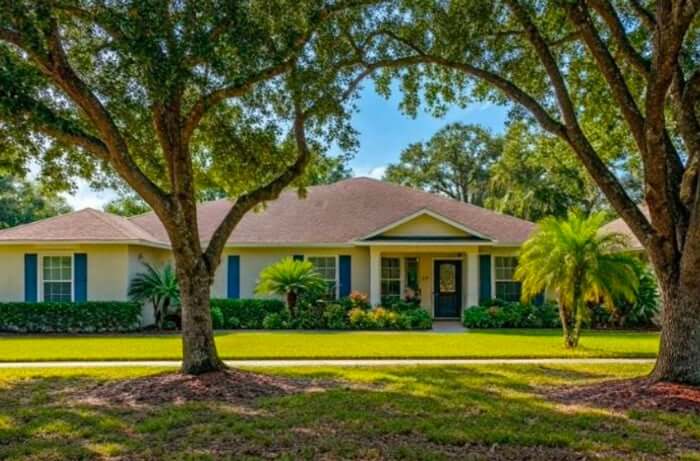

Picture this scenario: a gorgeous Saturday morning in Ormond Beach, Florida. The sun is shining through the sprawling oak in the backyard, casting dappled shadows across the lawn. Everything seems perfect until a closer look reveals browning leaves, unusual growths on the trunk, and branches that hang precariously over the roof. That tree that provides much-needed shade during Florida's brutal summers suddenly becomes a source of worry. Time for some tree care tips.
Sound familiar? For Ormond Beach homeowners, trees are both a blessing and a responsibility. The unique coastal climate, sandy soil conditions, and seasonal weather patterns of this beautiful area create specific challenges for maintaining healthy trees. What works for trees in northern states simply doesn't apply here.
Understanding Ormond Beach's Unique Tree Environment
Let's start with the basics — Ormond Beach's climate creates distinct growing conditions that directly impact tree health and maintenance needs. The combination of salt exposure, high humidity, sandy soil, and the threat of hurricanes requires specialized knowledge and approaches.
The oceanfront properties in Ormond Beach face particular challenges with salt spray. That salty mist carried by coastal winds can damage foliage and impact overall tree vitality. Trees that haven't developed salt tolerance often show leaf burn, premature leaf drop, and stunted growth. Native species like live oaks, sabal palms, and southern magnolias have adapted to these conditions over thousands of years—a significant advantage over non-native ornamentals.
Sandy soil presents another challenge. Think about it: water drains quickly through sand, taking valuable nutrients with it. This means trees in Ormond Beach oftenneed different irrigation and fertilization strategies than those in areas with clay or loam soils. The quick drainage can leave even established trees vulnerable during dry periods.
And then there's the hurricane factor. Located in Florida's hurricane zone, Ormond Beach trees must withstand periodic high winds and flooding. Tree structure becomes critically important for storm resilience, and proper preventative pruning can literally save a home from catastrophic damage.
Seasonal Tree Care Tips for Ormond Beach
Spring (March-May): The Growth Season
Spring in Ormond Beach brings renewed growth and energy to local trees. This is when most species push out new foliage and experience their most vigorous growth period of the year. But with new growth comes new responsibilities.
The beginning of spring is the ideal time to assess winter damage. Walk the property and look for broken branches, signs of disease, or pest activity that may have developed during the cooler months. These issues are much easier to address before the intense summer heat arrives.
For many tree species in Ormond Beach, spring represents the perfect pruning window. Pruning during this active growth period allows trees to heal wounds more effectively as their metabolic processes are operating at peak efficiency. But here's the critical part—never remove more than 25% of a tree's canopy at once. Over- pruning stresses trees and can lead to decline, especially with the approaching summer heat.
Spring also presents the optimal fertilization opportunity. Trees in Ormond Beach's sandy soils benefit from slow-release fertilizers applied just before the major growing season begins. The nutrients become available just as the trees need them most for producing new growth. Look for fertilizers specifically formulated for Florida's sandy soils and the particular species in the yard.
Wait, that's not quite the right technique for all trees though. Palm trees, which are abundant in Ormond Beach landscapes, have different nutritional requirements. They often need manganese and potassium in greater quantities than other landscape trees. Using standard fertilizers on palms can lead to nutrient deficiencies and frond issues.
Summer (June-August): The Stress Season
Summer in Ormond Beach brings intense heat, humidity, and the beginning of hurricane season. These conditions create specific stresses that require proactive management.
Proper irrigation becomes absolutely crucial during these months. Even established trees need supplemental water during extended dry periods. The technique matters though—deep, infrequent watering encourages roots to grow downward, improving drought resistance and structural stability. Frequent shallow watering accomplishes the opposite, creating surface-level root systems that provide poor anchoring and drought tolerance.
Mulching takes on special importance during summer months. A 2-3 inch layer of organic mulch around trees (never touching the trunk) reduces soil temperature, conserves moisture, and gradually adds nutrients to the soil as it decomposes. In Ormond Beach's sandy soils, this moisture retention can make the difference between thriving trees and stressed specimens.
Hurricane preparedness becomes a priority by early summer. Certified tree care specialists often note that preventative pruning to create a more wind-resistant canopy should ideally happen before hurricane season begins. Removing dead branches, thinning dense areas to reduce wind resistance, and addressing structural problems pays dividends when storms hit.
The reality of summer storms is that they create ideal conditions for certain tree diseases, particularly fungal infections. The combination of high humidity, warm temperatures, and frequent rainfall creates perfect conditions for pathogens to thrive. Monitoring for unusual leaf spots, cankers, or conks growing on trunks allows for early intervention.
Fall (September-November): The Recovery Season
Fall in Ormond Beach doesn't bring the dramatic leaf drop seen in northern states, but it's still a critical season for tree care. As temperatures moderate, trees enter a different physiological state.
For many species, fall represents a second opportunity for growth as temperatures become more moderate. This makes it an excellent time for planting new trees. The cooler temperatures reduce transplant shock while giving root systems time to establish before next summer's heat arrives.
Post-hurricane assessment becomes essential during this season. Storms may have created damage that's not immediately obvious—cracks, partial uprooting, or internal trunk damage. Certified arborists have the training to spot these hidden dangers that might escape the notice of most homeowners.
Soil testing makes perfect sense during fall. After the stresses of summer, understanding the exact soil conditions helps develop targeted fertilization plans for the coming year. University of Florida Extension offices can provide soil testing services for Ormond Beach residents, identifying specific deficiencies that might be limiting tree health.
Honestly, most homeowners underestimate the importance of correcting soil pH in Ormond Beach. The naturally alkaline conditions created by the shell content in coastal soils can make certain nutrients unavailable to trees, regardless of how much fertilizer is applied. Fall soil amendments allow time for pH adjustments to take effect before the next growing season.
Winter (December-February): The Planning Season
Winter brings cooler temperatures and reduced growth for most Ormond Beach trees. This dormant period (though not as pronounced as in northern climates) allows for certain maintenance activities.
Structural pruning works particularly well during winter months. With leaves absent from deciduous species, the branch structure becomes clearly visible, making it easier to make proper cuts that enhance the tree's long-term architecture. Remember though, flowering trees that bloom in spring (like dogwoods or redbuds) should be pruned after flowering to avoid removing next season's blooms.
The cooler months present the perfect opportunity to remove invasive species that might be threatening native trees. Brazilian pepper, Chinese tallow, and camphor trees aggressively compete with native species for resources and can dramatically alter Ormond Beach's natural ecosystem. Winter makes these species easier to identify and control.
Wait, there's an important point about winter irrigation. During cooler months, many homeowners completely shut off irrigation systems. But in Ormond Beach's sandy soils, especially during dry winters, trees may still need occasional deep watering to maintain health, particularly for non-native species or recently planted specimens.
Common Tree Issues Specific to Ormond Beach
Storm Damage: Before and After
Living in Ormond Beach means accepting the reality of hurricane season. Trees that haven't been properly maintained become significant liabilities during storms. Here are tree care tips from experienced arborists:
Pre-storm pruning should focus on removing dead or dying branches, thinning overly dense canopies to reduce wind sail effect, and correcting structural defects like codominant stems with weak attachments. The goal isn't to reduce the tree's height (a common misconception) but rather to create a stronger structure that allows wind to pass through more easily.
Post-storm assessment requires careful evaluation. Trees that appear salvageable might have hidden damage that poses future risks. Partially uprooted trees rarely re- establish properly and often become hazards in subsequent storms. Tree wounds from broken branches need proper cleaning cuts to promote effective compartmentalization and prevent decay.
Think about the last time you saw a tree removal gone wrong after a storm... Desperate post-hurricane clean-up leads many homeowners to hire the first available service with a chainsaw, regardless of their qualifications or insurance status. This approach often leads to property damage, improper cutting techniques, and occasionally severe injuries.
Pest Management Without Overkill
The warm, humid climate of Ormond Beach creates ideal conditions for various tree pests. However, not every insect requires intervention. In fact, beneficial insects often control pest populations naturally if given the chance.
Integrated Pest Management (IPM) offers a sustainable approach for Ormond Beach properties. This strategy employs biological controls, targeted treatments, and cultural practices rather than blanket chemical applications. For example, encouraging natural predators like ladybugs and lacewings often controls aphid populations more effectively than pesticides.
For pest issues that do require intervention, timing is everything. Applications must coincide with vulnerable life stages of the target pest. Certified arborists understand these life cycles and can recommend treatments that maximize effectiveness while minimizing environmental impact.
Look... Treating for the wrong pest or at the wrong time wastes money and potentially harms beneficial organisms. Proper identification through systematic observation or professional assessment ensures that any treatments address the actual problem rather than symptoms or coincidental damage.
Salt Exposure Management
For Ormond Beach properties, especially those near the coastline, salt management becomes a critical aspect of tree care. The constant exposure to salt spray and occasional salt water intrusion during storm surges creates unique challenges.
Salt-resistant species selection makes the most sense for properties with high exposure. Native options like live oak, sabal palm, sea grape, and buttonwood have evolved natural tolerance to these conditions. When planting in high-salt areas, selecting these adapted species dramatically increases success rates.
For existing trees with salt exposure, regular freshwater irrigation helps leach accumulated salt from the soil. After major storms that bring saltwater flooding, thorough flushing of the root zone with fresh water can prevent long-term damage to salt-sensitive species.
Frankly speaking, creating windbreaks in strategic locations can significantly reduce salt spray exposure for less tolerant species. This approach allows for greater diversity in Ormond Beach landscapes while acknowledging the realities of the coastal environment.
Professional Intervention: When to Call the Experts
While regular maintenance falls within the capabilities of most homeowners, certain situations demand professional expertise. Here are some tree care tips for when to call certified arborists:
Large trees near structures require specialized equipment and techniques for safe maintenance or removal. The risks associated with DIY work on these specimens simply aren't worth the potential savings. Professional climbers, bucket trucks, and proper rigging practices prevent the catastrophic property damage that often results from amateur tree work.
Truth be told, rental equipment has limitations that many homeowners don't consider until they're halfway through a job. Professional-grade tools, properly maintained and operated by trained personnel, complete tasks more efficiently and with greater safety margins.
Signs of internal decay or structural weakness require expert assessment. Conks (fungal bodies) growing from the trunk, vertical cracks, or unusual lean patterns often indicate serious problems that aren't visible from the outside. Certified arborists employ techniques like sounding, core sampling, or advanced technologies like sonic tomography to evaluate internal tree conditions.
The reality of chainsaw accidents is that they're among the most devastating injuries seen in emergency rooms. Professional tree workers undergo extensive training in safe cutting techniques, proper body positioning, and equipment maintenance. They also carry specialized insurance coverage that protects homeowners from liability in case of accidents or property damage.
The Value of Preventative Care
The most effective tree care tips and strategy for Ormond Beach properties emphasizes prevention rather than reaction. Regular maintenance costs significantly less than emergency services or property repairs after failures.
According to recent arborist studies, properly maintained trees can increase property values by 5-20%. In Ormond Beach's competitive real estate market, this represents thousands of dollars in potential value. Beyond aesthetics, healthy trees provide measurable benefits like reduced cooling costs through strategic shading and improved storm water management.
Young tree training yields the greatest long-term benefits. Establishing proper structure during the first few years prevents costly corrections later. Simple techniques like proper stake removal, formative pruning, and trunk protection dramatically increase the likelihood that young trees will develop into structurally sound mature specimens.
What many homeowners don't realize about tree roots is their extensive spread and their sensitivity to disturbance. Construction activities, grade changes, and soil compaction often damage root systems, with symptoms sometimes taking years to appear. Protecting root zones during any property renovations pays dividends in continued tree health.
For Ormond Beach properties, the investment in professional tree care typically yields returns through reduced storm damage, lower long-term maintenance costs, and enhanced property aesthetics. When viewed through this lens, professional services become less of an expense and more of an investment in property value and safety.
When Removal Becomes Necessary
Despite best efforts at maintenance, sometimes removal becomes the only viable option. Trees with extensive decay, structural defects, or damage from storms may pose unacceptable risks, particularly near homes or high-traffic areas.
Here's the thing about large tree removal... It's probably the most dangerous DIY project you could attempt around the home. Professional removal services employ specialized equipment, rigging techniques, and trained climbers to dismantle trees safely, often in surprisingly tight spaces. The precision required to safely remove trees in developed areas comes from years of experience and training.
The decision to remove a healthy tree should never be taken lightly. These organisms provide numerous environmental benefits including oxygen production, carbon sequestration, wildlife habitat, and stormwater management. In Ormond Beach's sandy soils, tree roots play a particularly important role in preventing erosion and stabilizing the landscape.
When removal is necessary, consider replacement planting with appropriate species. Native trees adapted to Ormond Beach's conditions require less maintenance, provide better wildlife habitat, and typically demonstrate superior storm resistance compared to exotic alternatives. The University of Florida's extension service maintains excellent resources on suitable native trees for coastal Florida landscapes.
Final Thoughts
The trees surrounding Ormond Beach homes represent both significant assets and potential liabilities. Their care requires an understanding of local conditions, seasonal needs, and the limitations of DIY approaches. Through proper maintenance, appropriate species selection, timely professional intervention, and attention to these tree care tips, these magnificent organisms can provide decades of benefits with minimal risk.
For properties with historic or especially valuable specimens, consider consulting with certified arborists to develop long-term management plans. These roadmaps for tree care address current needs while planning for future growth, potential conflicts with structures, and succession strategies as trees approach the end of their natural lifespans.
The hurricane-prone nature of Ormond Beach makes proactive tree care not just an aesthetic concern but a matter of property safety. Trees that receive regular professional attention demonstrate dramatically better survival rates during major storms and typically require less emergency intervention.
Remember that tree care, like most aspects of home maintenance, functions better as a program than as a reaction. Establishing relationships with qualified tree care professionals allows for consistent, appropriate care that evolves with the changing needs of growing trees and the property they inhabit.
If you're looking for professional tree care services for yourself or a neighbor in the Ormond Beach area, keep Tree Work Now in mind. Their expert crews have been serving Central Florida homeowners with safe, reliable tree care services for years. Known for their rigorous crew selection process and commitment to safety, they treat your property like their own.
 Please call