
 407-416-2704
 4.9-star rating on over 750 Google reviews
Tree pruning looks simple enough from the ground, right? Grab some tools, cut a few branches, and call it a day. However, tree cutting is a refined skill. Most people don’t know that there is an entire art and science associated with making quality and healthy cuts to your trees.
If you don’t prune correctly, even the best of intentions may cause lasting stress and disfigurement in trees, which can also make them susceptible to diseases and rot that may take years to show.
What Tree Pruning Actually Means (Beyond Just Cutting Branches)
Pruning involves cutting away infected, dead, dying or structurally unsound branches and limbs. Orlando tree pruning provides structural soundness, vitality, aesthetics and bolsters the emergence of advantageous new growth, when done the right way. The misapplication produces backup problems that continue to get worse over time.
When you prune a tree, think of it as some sort of surgery. Every cut creates a wound that the tree must seal and heal. Cutting the tree in the wrong place, at the wrong angle, or at the wrong time creates an opening for insects and disease which could ultimately kill the tree.
Why Orlando Tree Pruning Requires Specialized Knowledge
The humid subtropical climate of Orlando makes its green spaces, but it creates serious hardships for many trees. With hot and rainy weather, insect and disease pressures make trees less hardy and short-lived unless treated.
By hiring a professional Orlando tree pruning service, you can protect the tree structures on your property from tree decay. Boosting airflow to the inside of branches will deter pests and pathogens that love moisture. When dense growth is thinned out, less wind comes into contact with them and thus high winds are less likely to cause branch failures, which often occur during summer thunderstorms and hurricane season.
Fixing defects early improves the structural form and prevents costly damage. Young trees are pruned correctly will develop a strong architecture for life. If left without intervention, trees can develop structural problems that become unfixable except with extreme measures which require removal.
The Essential Dos of Orlando Tree Pruning
Making proper pruning cuts is the key to a tree’s health. When cutting stems, it’s best to cut just above an outward-facing lateral bud or branch, at an angle away from the stem. Always use sharp pruners. As a result, the tree can seal over the cut without leaving any ragged wounds that may cause issues.
Always remove crossing or rubbing branches to prevent damage. As trees grow, branches inevitably compete for space. This rubbing of limbs will wear through the bark, eroding away to make hollows thus allowing insects and disease entry into the tree. By catching these issues early you prevent more damage that spreads through the tree.
When you thin the dense canopies, the light penetration and air flow is increased within these crowns. It prevents stress and fungal problems that are very frequent in humid climate such as Orlando. However, thinning ought to be strategic and moderate, not aggressive. Over-thinning creates its own set of problems.
Getting the right structure in place early makes a massive difference. The tree pruning removal of tree limbs and branches can help develop ideal form and branching habits. Children, in nurseries, are given minor correctional treatment so that they do not develop into major defects later on. This helps in correcting weak joints, which might develop into a hazard. It is like orthodontics for trees—catching the problems early saves huge problems down the line.
When thinking safety first, we like to remove low hanging limbs interfering with walkways, driveways or buildings. Dead branches over outdoor living areas are also removed as a safety precaution.
Taking away tree limbs will lessen the chances of injury and damage to property. It is important to be safe when dealing with trees that can drop hundreds of pounds of wood.
The Critical Don'ts That Destroy Trees
Never prune without a clear reason. Indiscriminate pruning stresses trees unnecessarily. Try and remove as little as possible of the natural tree. Never thin your tree so much as to do harm. Occasionally living with reasonable minor flaws is more beneficial than cutting to shape to an invented perfection.
Don’t use pruning sealants or dressings, as this outdated practice is harmful to trees. Let trees heal and seal their pruning cuts naturally due to biological processes. Sealants don't help healing but can trap moisture and bugs which can worsen injury and not help.
Don't prune too close to the trunk. When pruning near trunks, leave a small branch collar to help quicken the sealing process. Flush cuts on trunks create cuts that are excessively big that trees find it difficult to close. Specialized cells exist in that branch collar that will close the wound. Cutting it away removes the tree’s healing mechanism.
Never cut tree top sor "lionheads" back indiscriminately. This leaves twisted ugly stubs that never recover. When you top trees, they produce weak, poorly attached sprouts that can become future hazards. Don’t do that! Thin out the branches selectively or get professionals to do a crown reduction for tree health and shape.
Don't remove too much interior foliage. If too many trees are removed, the remaining tree’s ability to feed by photosynthesis can be hampered; they also will be exposed to sunscald. You should thin only moderately based on the species concerned. Different trees can tolerate different amounts of leaf removal. What might be appropriate for one tree could damage another tree.
Don't use pruning tools improperly. Dull pruners and saws shred bark instead of making clean cuts. To prevent the transmission of disease, sanitize tools between trees. When you find it hard to cut smoothly, that means you need better equipment or professional help, not forcing through it.
When to Call Professional Orlando Tree Pruning Services
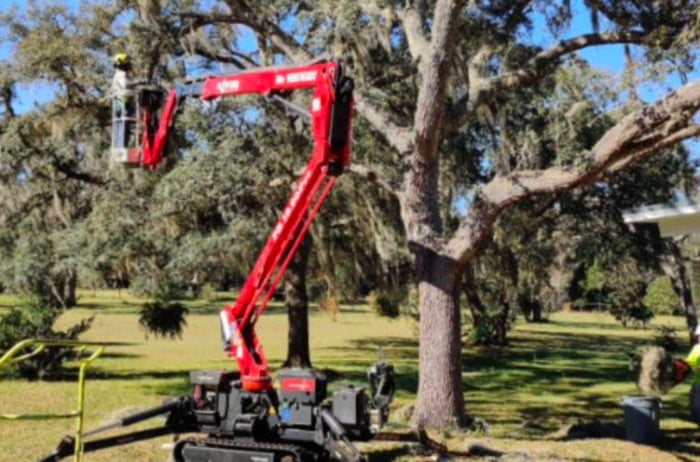
Homeowners may be able to handle minor pruning of young and small trees, but there are definitely many situations when best to hire. Pruning mature trees that are over 20 feet tall from the ground is dangerous. A single wrong step, an unstable ladder, an unforeseen branch reaction and you have fatal injuries.
If pruning close to utility lines or buildings, special equipment and training are required. Those power lines are dangerous. Touching one will kill you instantly. Orlando tree pruning professionals have the equipment and skills necessary to work around these hazards.
When extensively thinning overgrown or neglected trees it is important to understand how much the tree can take before going into shock. A professional will do the structural pruning to determine if there are very minor concerns or hazardous defects present. To precisely prune a tree and raise the crown or reduce it, or to perform ornamental shaping, an understanding of how the tree grows and responds to wounding is necessary.
ISA Certified Arborists possess expertise, skills, and equipment to prune under challenging conditions safely. They make cuts and trims that benefit the long-term health and beauty of the trees, rather than compromising them accidentally with incorrect techniques.
Orlando tree pruning by the pros makes sure you don’t harm the trees by species. Experts recognize that each species requires a unique type of pruning method based on its growth habit and ability to heal.
Essential Tools and Safety Equipment for Orlando Tree Pruning
Tree pruning requires professional tools for different activities to be effective. Pruning shears and loppers handle smaller branches. Hand pruning saws tackle medium-sized limbs. Pole pruners extend reach without requiring climbing. Chainsaws address large branches and major structural work.
Using a professional saddle, rigging line and pulley, you can work at height safely and lower down branch safely. Professional crews also have ongoing training on ANSI Z133 Standards to use equipment correctly and safely. Safety should always be a top priority, including proper tie-in techniques and no electrical hazards.
When you use professional equipment, you’ll notice the difference. There are professional tools that make a clean, efficient cut. However, consumer-grade equipment does not. They create ragged wounds which threaten the tree's health.
Professional Orlando Tree Pruning Techniques
Crown thinning is the process of pruning some of the interior branches to allow more light and air into the crown. This will not change the shape of the tree. To ensure structural integrity, one branch should be removed and the other preserved.
Crown raising is the method of removing lower branches to provide clearance under canopies for buildings, signs, pathways and traffic. Canopies can go over time rather than sudden shock.
Crown reduction is a process of pruning to reduce height without changing the tree’s overall shape or growth habit. Utility line clearances or other trees maintaining their size are often subjected to this technique.
Cleaning the trees and removing deadwood makes them look fresh, which helps in removing any dangers due to hanging dead branches. All mature trees should receive this basic Orlando tree pruning service on a regular basis.
Many people have no idea who is an expert in palm tree pruning. Palms require annual crown cleaning, boot sheath removal, stalk pruning, and correct frond arrangement. Cutting back palms “hurricane cuts,” which slashes all but one frond off the palms’ heads, compromises their strength.
Pruning fruit trees, especially citrus and other species, uses methods that promote strong branching structure, airflow, and balance between flowering and fruiting wood to increase yields. The methods set themselves apart from ornamental tree pruning.
When Orlando Tree Pruning Should Be Avoided
While most trees benefit from getting pruned regularly, some times require restraint. Avoid pruning trees while they are directing their maximum energy to grow in spring and summer. When you prune at this period, you are effectively removing the new growth the tree just made an effort to produce.
Do not prune trees right after their relocation as they are already stressed. Do not prune in the fall before winter. This leaves fresh cuts exposed to the cold weather. Do not prune drought-stressed or weakened trees that will not cope with more stress.
Certain species require especially careful approaches. Pruning oak trees in the spring when they are actively growing can spread oak wilt. Major oak pruning is done in late fall or winter when disease pressure is the lowest.
It is preferable to lightly thin and deadwood your crape myrtles rather than aggressively prune their insides which creates large knobs. Most people kill the crape myrtle every year by cutting back all of the branches.
Pine trees naturally shade-out their lower branches. You can prune slightly to widen dense growth or raise lower branches when they’re small. Trimming too many leaves reduces the plant’s source of food.
Mahogany and eucalyptus grow heavy branches and don’t always seal well over pruning cuts. Conservative pruning helps in minimising decay potential.
Getting the help of Orlando tree pruning services prevents costly mistakes from happening over the years when trees need specialized care.
Why Professional Orlando Tree Pruning Services Matter
Pruning seems simple, but there are many subtleties and precautions so that your tree remains healthy and structurally sound for years to come. If trees are not properly pruned, they will later develop insect and disease problems, disfigurement, improper shapes, and structural failure.
Arborists are experts in tree care. They have the knowledge and skills to keep your trees healthy. They mainly operate from industry Best Management Practices for pruning each ornamental tree, shrub, palm and edible species.
Orlando tree pruning experts ensure safety as their main concern. Crews trained in ANSI Z133 safety standards are equipped with proper arborist saddles, ropes, rigging equipment, and other gear to work safely at height. Adequate liability insurance protects workers and property owners too.
Sanitizing equipment between trees offers disease prevention and pathogen spread. If not done correctly, cutting through wound tissues will only create more damage to the tree and reduce the potential chance for healing.
By species and growth rate optimization pruning schedule generates ideal maintenance timeframes. This avoids over-pruning trees and allowing the trees to overgrow between services.
Tree experts are very beneficial for long-term tree health and structure. Your trees can achieve their maximum potential and maturity with the right Orlando Tree Pruning that sets ideal shape and structure from an early age.
Consultations on handling trees, addressing issues, and future care deliver greater value than the actual pruning operation.
More often than not, a good tree pruning will prevent trees from being removed unnecessarily. In addition, doing proper structural maintenance can correct a defect or fix a problem in a safe manner. With the right professional attention, many trees scheduled for removal could be saved.
Developing Your Orlando Tree Pruning Plan
Places that have trees that are more grown up need proper checks carried out by certified operatives who can assess species needs, structural needs and timing for intervention. Basic pruning and structure pruning create foundational health. Crown thinning, raising, and reductions work toward specific spatial or safety issues.
When possible, prune and shape hazard trees to eliminate risks while preserving useful trees. Showcase specimens are made pretty during pruning. Flowering tree and shrub pruning maximizes bloom potential. Fruit tree pruning optimizes production. Hedge trimming maintains formal landscape elements.
Caring for a palm takes a different specialized skill set from caring for hardwood trees. Cabling and bracing trees provide structural enhancements to trees that have value or live trees. Professional removal services will take it down safely when trees really pose irreparable threats.
Orlando tree pruning is available at an affordable price depending upon the size of the tree, extent of pruning required, access to the tree, and techniques needed. Our pruning jobs use only the best practices to enhance your tree’s long-term appearance and property values. Trimming your tree is a smart idea for its health and appearance.
Avoid guessing when it comes to tree care. Rather, consult professionals who know about Orlando’s climate issues, common trees, and the right techniques for your case. As the years go by, the difference between amateur attempts at Orlando tree pruning and a professional service becomes more and more apparent. Trees either flourish or fail based on the amount of care they have received.
If you or a neighbour in Orlando are looking for professional tree services, Tree Work Now is the company to consider. For many years, their skilled workers have offered Central Florida homeowners with reliable tree care services. They put your property first just like their own with a strict crew selection to ensure safety and security. Learn more at https://treeworknow.com/ or this site.
 Please call