
 407-416-2704
 4.9-star rating on over 750 Google reviews
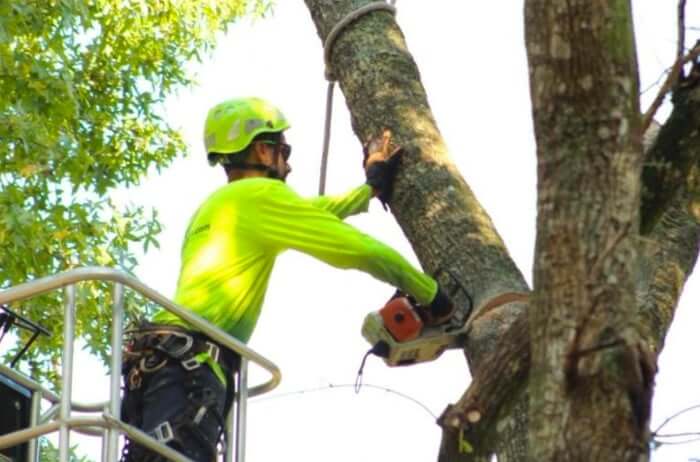
The average Orlando homeowner eventually learns that their trees can use some trimming. Limbs growing too close to the roof. Canopy getting dense and overgrown. Deadwood accumulating after storms. The need for tree pruning becomes pretty obvious.
What's less clear is when, precisely, to do the pruning. And this is where much good intention in tree care goes awry.
However, each species has its own ideal window for tree pruning. Certain trees can only be trimmed in select months. Others are more free ranging but still have preferred timing. Prune at the wrong time, and you're wasting that tree's energy, increasing disease risk, or possibly compromising long term health.
Knowing the seasonal timing for pruning common trees here in Orlando could mean helping them prosper through stressful times, or stressing them out when they're most vulnerable.
Winter: The Universal Sweet Spot
Late winter is the optimal pruning window for most Orlando trees. Approximately from January to early March, before spring growth kicks in but after the worst of the cold is over.
During this time, trees become dormant. Growth has practically stopped, they are no longer actively pushing out leaves and branches. When pruned in dormancy, trees use all their energy to seal and heal the wound rather than splitting it for healing and growing.
Risks of disease transmission, too, drops dramatically. Most fungal pathogens are much less active, and the insects that spread them don't fly as far in cool weather, either. Cuts that you made in January are far less likely to be sites of infection than those made in July.
In Orlando live oaks require winter tree pruning. The window to prevent oak wilt is November through March, possibly extending into very early April in cool years. Outside this window, tree pruning is true risk of fatal infection. Some municipalities even prohibit oak tree pruning in warm months because the threat is that serious.
Maples, elms and other deciduous shade trees, those that drop their leaves as fall settles in, are greatly improved by winter tree pruning, too. During this time, the bare canopy allows us to see our branch structure clearly and identify issues sometimes before they happen, so we can do proper cuts.
You can prune most evergreens in winter with no problem. Magnolias, hollies and some other ornamental trees common in Orlando landscapes are all winter work friendly.
Winter tree pruning does not refer to a maintenance style, but rather somatic improvement. Cutting out deadwood, thinning crowns to improve light penetration and air flow, correcting weak branch attachments, shortening limbs that have grown too long. Because the trees are not stressed by active growth, they can tolerate more radical work.
Early Spring: The Narrow Window
Early spring, about late February to March, is ideal for some varieties but timing becomes difficult because growth cycles differ.
Crape myrtles require late winter to early spring pruning before they break dormancy. They flower on new growth, which is why pruning just before the growing season promotes better flowering. If you wait too long, you're removing the flower buds that have already formed.
The trick is to catch them before they leaf out but after the coldest nights have ended. In Central Florida, that window often occurs in late February or early March, depending on the conditions of a given year.
They generally do best when pruned in early spring, fruit trees, citrus, mangoes and other producing trees found throughout back yards everywhere in Orlando. After bitter cold waves have ended but before the flowers begin. This timing avoids any risk of cold injury to tender cuts and allows the production of fruit not to be affected.
By April (when actual spring begins), most trees are already in full growth and flowering. This late spring tree pruning is not a catastrophe for most species, it's just not ideal. The tree has already invested energy into growth that gets cut, meaning those resources are wasted.
Summer: Generally Avoid It
Summer pruning in Orlando is hazardous for most species of trees, the general rule being try to avoid it except when necessary.
The heat stresses trees already. Then there's the problem of adding pruning trauma to temperature stress. Trees invest energy into growing and maintaining leaves in the hottest months, and fresh wounds need extra materials to seal and compartmentalize.
Plants are most under pressure from disease and pests during warm humid months. Oak wilt beetles are doing their thing. Fungal spores spread readily. New pruning cuts are portals for infections that trees may fend off during the cooler months but succumb to in summer.
The exceptions are spring flowering shrubs that flower off old wood. Azaleas, for instance, ought to be pruned just after the flowering period ends, which is usually in late spring or early summer. This allows time to set next year's flowering buds. If you prune them in winter, you are cutting off the blooms for next spring.
There can be a little deadwood removal during summer where needed. Dead branches aren't helping the tree anyway, and if any dead branches present obvious hazards, they shouldn't have to wait for removal if they pose immediate threats.
Even when there's no thaw in sight, emergency tree pruning could take place. And storm ravaged broken branches, limbs close to buildings or power lines, real threats that need to be dealt with right away. But, for most Orlando trees, regular summer maintenance pruning does not make sense.
Fall: Transition Timing
There are exceptions to the rule, but fall generally isn't a great time for major tree pruning in Central Florida, and it isn't as dangerous as summer for most species.
The problem is, fall pruning tends to induce new growth right before winter, and that tender new stuff is susceptible to cold damage when Orlando gets those occasional freezes. Even mild freezes can damage fresh shoots that never would have grown if the tree hadn't been pruned.
For live oaks, November marks the start of the safe pruning window as temperatures moderate and oak wilt beetle numbers decline. But even then, waiting until December or January is often preferable to ensure beetles are also sufficiently inactive.
Fall is good for light maintenance, taking off any obviously dead branches, cleaning up storm damage from hurricane season. However, larger structural work or extensive crown reduction should be saved for winter.
Many evergreens are not affected, however, since they don't make that flush of tender new growth, so fall tree pruning is fine. But even among these, in general winter is better than summer.
Species Specific Timing
While there is seasonal guidance as a whole, we wanted to dig in a little further and discuss specific trees around Orlando who have their own particular requirements.
Palms also don't adhere to conventional pruning timelines, as they are not even trees in the classical sense. You can remove dead fronds pretty much at any point in the year, though many professionals prefer to do it just before the main growing season, either in late winter or early spring. The answer is never excessively trimming palms by cutting green fronds. Only that which is dead and thoroughly brown should be removed.
Pines can be adapted but need to be pruned (with few exceptions) in winter. There is a spring method known as candle pruning in which stretches of soft new growth are pinched back, but that's specialized work aimed at shaping and controlling size, not general maintenance.
Laurel oaks, prevalent in older Orlando neighborhoods, can be cut back during their dormant season but require careful inspection because they're susceptible to rot and structural problems. These trees tend to require more frequent care than longer lived species.
The timing of citrus for your climate and variety will depend on local microclimate but generally, late winter after the risk of cold has passed is good. The idea is to prune before flowering begins, so fruit production is not compromised.
Proper Technique Matters as Much as Timing
But all the good timing in the world doesn't really help if your tree pruning technique is bad to begin with.
All tree pruning cuts should be made just outside the branch collar, that swollen area where branches connect to the trunk or parent limb. Flush cuts are too close, leading to inadequate sealing of the wound. Cuts made too far from the trunk leave stubs that die back and cause decay problems.
For larger branches, the three cut method prevents bark tearing. First cut undercuts the branch partway through from below. Cut two, up higher out on the branch to eliminate weight. Third cut clears the stub just outside the branch collar, cleanly.
Crowns should be thinned through the canopy, lowering density but preserving natural form. This is not lion tailing whereby all interior branches are removed. It's not topping where everything is cut to an even height. It's a kind of selective removal that helps structure and light to penetrate.
The amount removed matters tremendously. As a rule of thumb, no tree should ever have more than 25% of its canopy removed at any one time in a single pruning. Anything more stresses the tree and can set off excessive regrowth, pest issues or decline.
All species respond differently to different severities of tree pruning. Some tolerate aggressive work. Some deteriorate in a flash if over pruned. Professional arborists know of these species specific responses and adjust technique accordingly.
Why Professional Tree Pruning Pays Off
Homeowners can certainly do some basic pruning themselves. Little branches, well within your reach, deadwood obviously needing to go, light maintenance on forgiving species, that's all reasonable DIY territory for folks with the right tools and some basic knowledge.
But what you get from professional pruning is more than just having branches cut.
Experts identify issues invisible to untrained eyes. Weak connections that will break in future storms. Early disease symptoms. Pest damage. Long term structural problems growing slowly over decades. They raise these issues at routine tree pruning before they escalate into crises.
They know what it means to remove a branch and how that impacts the rest of the tree's shape and weight. Pruning isn't only what gets cut off. It is just what is left which will expand and arise in the following years.
They have gear that enables safe entry throughout the canopy. Chain saws, climbing gear, bucket trucks for tall trees, rigging systems for driving branches near buildings. Do it yourself tree pruning is usually done from the ground or a ladder, and often misses problems at higher heights.
They have insurance that protects against damage in case anything goes wrong. Trees are tricky, branches fall different than people expect, equipment has its failures from time to time. The professional cover means property owners are safe from loss and claims.
They charge by the job and get it done fast, in hours, compared with a weekend or more for homeowners, achieving superior results without the risk associated with heights and chainsaws.
Planning Seasonal Tree Pruning
For Orlando homeowners wishing to maintain their trees properly on a seasonal schedule instead of willy nilly randomly when observed issues arise, planning pruning in accordance with seasons will produce healthier trees over the long haul.
Assess trees in late fall. Figure out what needs to be addressed, what can wait, what is urgent versus routine maintenance. This assessment takes place after the year's growth cycle is complete, but before the optimal pruning window opens.
Delay big work until late winter. Early January through early March for most species, November through March for the live oaks in particular. That machines may heal from the cuts and minimize the risk of disease in trees before setting up well for growth during spring.
Perform species specific tasks within their best time frames. Late winter for crape myrtles, spring flowering shrubs after bloom, fruit trees before the bloom stage.
Always deal with emergencies first, no matter what time it is. Not broken branches, storm damage, real dangers, they don't wait for choicest seasons.
This strategy smooths costs over time instead of producing big bills when the same trees need emergency care all at once. It is a proactive approach to tree health rather than a reactive response after the disease or problem develops. That's tree biology at work, not against it.
Making Smart Decisions
Knowing when to perform seasonal tree pruning can empower Orlando homeowners looking to maintain their trees without referring back and forth just to get a cutting.
Trees that require work can often wait until ideal times. If there is no real risk or crisis, waiting to do routine pruning until the right timing helps trees and creates better results.
This means species specific requirements are enough of a concern to consider when making decisions. No matter how conveniently the timing you quote for scheduling, that live oak shouldn't be pruned in June. Those crape myrtles lost their opportunity and will be fine if they wait until next year.
Expert analysis of timing questions avoids costly missteps. A brief conversation with well informed arborists makes clear whether the work should be done now or deferred, what the risks are of moving forward in less than ideal times, what other options are available to address concerns without any pruning at the wrong time.
Orlando yard trees are investments in the long term, yielding returns on care over decades. Pruning them at the right time of season, with proper technique and knowledge of species needs is what makes the difference between flourishing and failing landscapes.
The timing of tree care isn't everything, but it's not nothing either. Getting it right is more important than most homeowners appreciate until they see the difference firsthand between timely pruning and work performed when convenient.
Orlando area homeowners looking for professional tree services can reach out to Tree Work Now, whose experienced crews serve Central Florida with reliable tree care. Known for their careful crew selection process and commitment to treating every property with respect, they're available at treeworknow.com.
 Please call