
 407-416-2704
 4.9-star rating on over 750 Google reviews
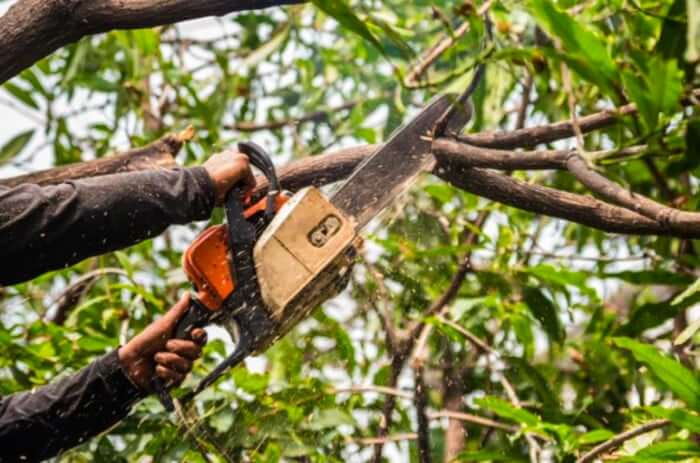
Most Orlando homeowners wait until spring to think about tree work. Makes sense on the surface. Trees are waking up, everything’s green again, seems like the natural time to get the yard in shape. Here’s the thing, though. Winter pruning is smart in Central Florida. And the reasons why might surprise anyone who’s been putting off that pruning or removal until warmer weather rolls around.
Dormancy Is a Tree’s Best Friend (and Yours Too)
When temperatures drop and days get shorter, trees essentially hit the pause button on growth. They’re not dead or even really sleeping, just conserving energy and focusing on survival rather than pushing out new leaves and branches.
This dormancy period? It’s basically nature’s ideal window for major tree work.
Think about it this way. Pruning creates wounds. Big cuts, removed limbs, reshaped canopies, all of these are traumatic events that trees need to recover from. And trees heal those wounds way more efficiently when they’re not simultaneously trying to leaf out and grow. Instead of splitting resources between healing and growing, everything goes toward sealing up wounds and containing damage.
There’s also the disease factor. Oak wilt, that nasty fungal infection that can kill even massive live oaks, spreads most aggressively during warm months when the beetles carrying it are buzzing around. Winter pruning drops the infection risk dramatically. Plenty of arborists flat out refuse to prune oaks in summer because the danger is so real.
The same goes for other fungal problems and pests. They’re just not as active when it’s cool. Those fresh cuts on pruned branches? Much less likely to become infection sites in January than in July.
Seeing What’s Actually Happening Up There
Ever tried to really look at the structure of a live oak in the middle of summer? Good luck with that. The canopy is so thick with leaves that what’s happening inside the tree’s framework is mostly a guessing game.
Winter strips away that mystery. When leaves drop or thin out (depending on the species), suddenly the whole skeleton is right there in plain view. Dead branches that were hiding? Now they’re obvious. Limbs rubbing against each other and creating wounds? Easy to spot. Structural weak points, awkward angles, water sprouts growing where they shouldn’t, all of it becomes clear.
And this visibility matters tremendously. Proper pruning isn’t just about cutting stuff off, it’s about understanding how each cut affects the tree’s overall architecture and long-term health. Even the most experienced arborist can’t make great decisions about what they can’t see.
Plus, homeowners get to see the results immediately. Cut a branch in summer and the visual impact disappears into all that foliage. Make the same cut during winter pruning and it’s crystal clear how it changed the tree’s shape. If something needs adjusting, it’s obvious right away rather than becoming apparent six months later.
Honestly? The difference is like trying to organize a closet with the light on versus fumbling around in the dark. Both technically possible, but one is objectively smarter.
The Heat Factor Nobody Talks About
Let’s be real for a second. Working in full sun with chainsaws and climbing gear during a Florida summer is brutal. And it’s not just about comfort (though that matters). Heat genuinely affects how well people think and react.
Tree work requires constant judgment calls. Where will that 500 pound limb fall? How will it react when the tension releases? Can the rigging handle the load? These aren’t decisions anyone should be making while battling heat exhaustion.
Winter pruning means clearer heads. Crews stay hydrated more easily. They don’t hit that wall of exhaustion by noon. And the risk of heat illness, which can get dangerous fast when someone’s 40 feet up a tree, basically disappears.
There’s also the practical reality that cooler weather means longer, more productive workdays. Summer tree removal often requires wrapping up by early afternoon before conditions become genuinely unsafe. The same project in January? Crews can work comfortably all day if needed.
And then there’s the ground itself. Summer in Central Florida means those afternoon thunderstorms that turn yards into swamps. Heavy equipment gets stuck. Lawns get torn up. Footing becomes sketchy for everyone.
Winter is usually drier. The ground stays firmer, equipment moves easier, and the risk of destroying a yard drops considerably. (Though Florida weather always keeps things interesting, it’s not a guarantee.)
Different Trees, Different Needs
Not all trees respond to pruning the same way, and understanding these differences explains why timing matters so much.
Live oaks are basically the backbone of Central Florida landscapes. They’re tough, long lived, and majestic. But that oak wilt vulnerability is real. The fungus spreads most actively when those carrier beetles are flying around in warm weather. Winter pruning isn’t just preferable for live oaks, it’s actually essential for keeping them healthy. Some cities even restrict oak pruning during summer because the risk is that serious.
Crape myrtles work differently. They bloom on new growth, which means winter pruning actually encourages better flowering come spring. Wait too long and there’s a real risk of cutting off the season’s flower buds before they even open.
Palms don’t exactly go dormant like deciduous trees, but their growth does slow down when it’s cooler. Removing old fronds during winter pruning puts less stress on that vulnerable growing point at the top, the one that keeps the whole palm alive. And it’s easier to spot problems like rat nests or wasp colonies when those dead fronds come down.
Pines handle winter pruning particularly well because their resin flow slows in cool temperatures. Cut a pine in July and sap pours everywhere. The same cut in January? Way less resin loss, which translates to less stress and faster recovery.
The Scheduling Sweet Spot
Here’s something purely practical that has nothing to do with tree biology. Winter is when good tree companies have availability.
Storm season runs June through November. That’s when phones ring off the hook with emergency calls about fallen trees and dangerous situations. Quality companies are booked solid, sometimes months out. Then spring hits and everyone suddenly remembers they need landscape work, creating another scheduling crunch.
Winter? It’s the sweet spot. More available appointments mean projects can happen on a homeowner’s timeline rather than whenever the company can squeeze them in. Crews aren’t racing from one emergency to the next, so there’s time for thoughtful, careful work. Arborists can walk the property, provide detailed assessments, and answer questions without feeling pressured to run to the next job.
And the quality tends to be higher when companies aren’t in constant crisis mode. There’s time to plan properly, to think through challenging removals, to make sure every detail gets attention.
Some companies even offer winter pruning discounts to fill their schedules during slower months. Not universal, but worth asking about. Even without explicit discounts, though, crews are working at their best, rested, focused, and in conditions that allow their highest quality work.
When Winter Pruning Doesn’t Make Sense
Winter pruning isn’t universally perfect for every situation. There are real exceptions worth considering.
Emergency work happens when it happens. If a tree is actively threatening a house, leaning dangerously, or has knocked down power lines, it comes down immediately. Season doesn’t matter. Safety trumps everything.
Some trees do better with summer pruning for specific disease management reasons. Elms, for instance, benefit from pruning during active growth when they can quickly seal wounds. Going against species specific guidance usually backfires.
Young trees that are still establishing their root systems after planting might benefit from spring work that encourages growth rather than winter pruning that could slow things down. The calculation changes depending on the tree’s age and situation.
And occasionally, rarely, but it happens, those shockingly cold nights can freeze the ground enough to make stump grinding harder. But that’s infrequent enough in Central Florida that it barely registers compared to winter’s typical benefits.
What This Means for Homeowners
For anyone who hasn’t thought about tree work timing before, here’s what makes sense going forward.
Get assessments done now, while companies have time for thorough property evaluations. Even if there’s no immediate plan to commit to work, understanding which trees need attention allows time for proper planning and budgeting. Arborists can identify hazards, recommend priorities, and provide realistic timelines.
For trees that obviously need work, storm damage from last year, overgrown specimens blocking driveways, dead trees that have been eyesores for months, January through March is the sweet spot for scheduling. Don’t wait until April when everyone else suddenly remembers their yard exists and companies get slammed.
Larger projects benefit most from winter scheduling. Major crown reductions, big tree removals, anything involving heavy equipment, these are the jobs where all those winter advantages really stack up. Better visibility, cooler temps, drier ground conditions.
And here’s something worth considering. Routine maintenance can happen on a winter schedule too. Instead of treating tree care as a reactive, emergency driven thing, shifting to proactive winter maintenance catches problems before they escalate. It keeps trees healthy and catches issues early when they’re cheaper and easier to fix.
Arborists who’ve been in the business for decades will often say they prefer winter work. Not just because it’s more comfortable (though it is), but because the quality of work they can deliver is genuinely better.
The Counter Intuitive Reality
That old conventional wisdom about waiting for warm weather to tackle tree work? It doesn’t really hold up in Central Florida’s climate.
Winter dormancy cuts stress on trees. Better visibility leads to smarter cuts and better structural decisions. Cooler weather improves safety and work quality. Ground conditions favor equipment and cleanup. Disease risks drop. Scheduling gets easier.
Does this mean zero tree work should happen in other seasons? Of course not. Emergencies, species specific requirements, and individual circumstances will always create exceptions. But when the choice exists, winter provides advantages that benefit both the trees and the people who depend on them.
As another year kicks off and homeowners naturally think about improvements and maintenance, tree work deserves a spot on that January to do list. Not as some vague “get to it eventually” item, but as work that’s genuinely more effective when done during cooler months.
The trees respond better. Crews perform better. Results are better. Sometimes the best time to do something isn’t the most obvious time, it’s the time when conditions align to produce the best outcome.
Property owners in the Orlando area looking for professional tree services can reach out to Tree Work Now, whose experienced crews serve Central Florida with reliable tree care. Known for their careful crew selection process and commitment to treating every property with respect, they’re available at treeworknow.com.
 Please call