
 407-416-2704
 4.9-star rating on over 750 Google reviews
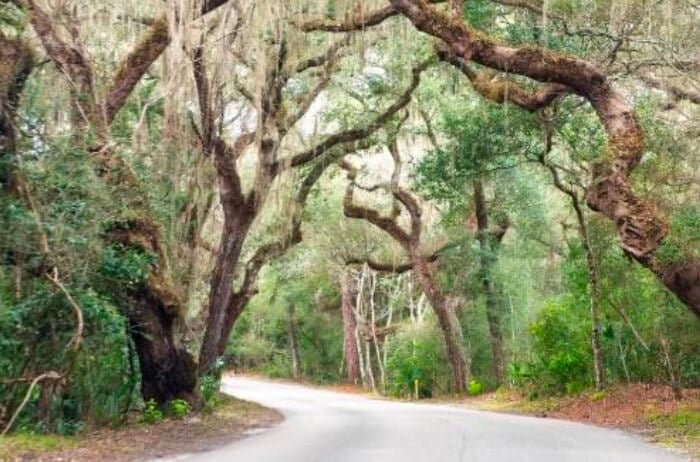
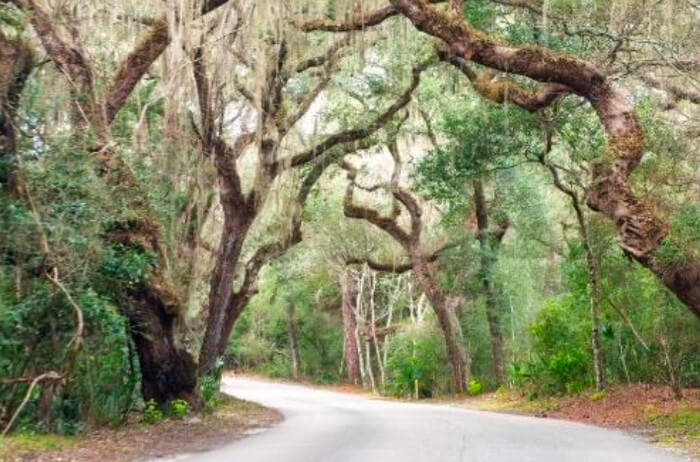
Winter can be a harsh season for trees in DeLand. That’s why it’s important to understand how winter affects trees. As temperatures drop and storms roll through, trees face challenges like freezing temperatures, heavy winds, ice storms, and heavy snow. While trees have adaptations to handle winter weather, there are things homeowners can do to help trees withstand the cold months and come out healthy in spring.
How Trees Handle the Cold
Trees have biological and structural adaptations that allow them to survive frigid winter temperatures. Deciduous trees that lose their leaves are able to go dormant during winter, conserving energy. Evergreens keep their needle-like leaves year-round, but the needles contain very little water content, preventing freezing. Trees also have bark and bud scales as insulation to protect against the cold.
During winter dormancy, trees stop actively growing and photosynthesizing. Resources like water and nutrients travel downwards and are stored in the roots. This prevents freezing in pipes and tissues above ground. A new corky bark also develops to insulate the trunk.
Threats from Winter Weather
While trees are adapted to winter, extreme cold, wind, ice and heavy snow can still cause damage. Problems trees face include:
- Frozen soil - Even in Florida, some nights drop below freezing temperatures, so you’ll want to be prepared! Roots require unfrozen soil to take up water and nutrients. Long cold snaps can desiccate roots.
- Desiccation - Cold, dry winds remove moisture from twigs and buds. Lack of water can kill tissues.
- Sunscald - Bark tissues suddenly exposed to sun in winter can freeze and die back.
- Breakage - Heavy snow and ice accumulation causes branches to break underweight.
- Uprooting - Soil upheaval from frost and flooding can loosen roots and cause blowdowns.
Evergreens are especially at risk from desiccation and sunscald on needles and bark. Young trees also tend to suffer more winter damage without established root systems.
Protecting Trees from Winter Damage
Homeowners can take various measures to help protect landscape trees from threats posed by winter weather:
Watering
- Continue watering trees during winter months
- Prioritize younger trees which need more moisture
- Water during warm spells or when dry winds persist
Mulching
- Apply 2-4 inches of mulch around base of trees
- Organic mulches like wood chips insulate soil and roots
- Prevent freeze/thaw cycles in soil from damaging roots
Wrapping
- Wrap trunks of thin-barked trees to protect from sunscald
- Use commercial tree wrap paper or burlap
- Leave wraps on until late winter
Pruning
- Remove dead or damaged branches which can fail under snow/ice weight
- Make cuts just outside branch collar
- Delay major pruning until late winter
Staking
- Stake smaller or weakly rooted trees to prevent blowdowns
- Use wide nylon straps which won’t damage bark
- Ensure trees can still sway for root growth
Seeking Professional Care
For homeowners needing professional winter, storm damage or pruning tree care in Deland, Tree Work Now employs certified arborists to properly assess and treat tree issues specific to the area. We are knowledgeable on the threats winter weather causes to Central Florida tree species. Whether a tree needs pruning, cabling, or treatment for disease, our crew can provide solutions to help your trees stay healthy year-round.
Taking steps to protect trees from winter damage will pay off with a vibrant, resilient landscape that survives into spring. A little bit of care goes a long way for trees during the harsh cold season. With preparation and diligence, your trees can make it through winter cold, wind and ice storms. Reach out to us ASAP if your trees need any professional wintertime care.
 Please call