
 407-416-2704
 4.9-star rating on over 750 Google reviews
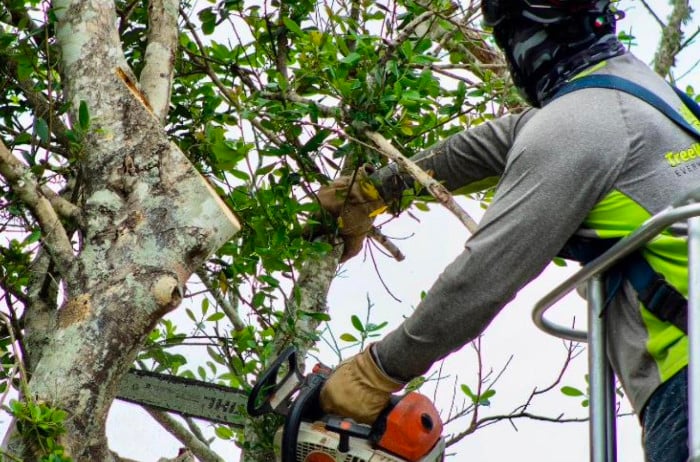
Orlando landscaping and trees are most important in the fall weather. The winter months are still to come. Trees can set themselves up for good health and appearance in winter when tree trimming happens carefully in time for the fall.
Here’s your guide to fall tree care for a beautiful landscape in Orlando:
Why Fall Tree Trimming Matters
Fall is a crucial tree trimming season for many reasons. When you prune your trees, you remove branches that won’t come back. They may be dead, dying, or diseased. When you thin out the canopy, it allows more light and air to circulate while shaping and balancing the tree growth from spring and summer. Plus, it encourages fresh new growth in the coming seasons.
When to Trim Trees in Fall
The best time for fall tree trimming is late October through November, once the leaves have started to change color.
Signals That Hints Towards Tree Trimming
Some of the key signs that it is time to start tree trimming is when you see deciduous trees starting to drop leaves. Another sign is when you notice sap flow starting to slow in your trees. A final sign to look for is when you see evergreens starting to harden with the cooler weather.
If you trim too soon, you may lose new growth. If you prune too late, the tree may sap instead of seal correctly.
What Trees to Trim
During fall, trimming works on almost any tree. But, large deciduous trees like oak, maple, and elm are priority. To keep them healthy, evergreens, such as spruce, fir, and pine as well as fruit trees (such as apple and peach and plum and orange) should be trimmed in the fall. Include nut trees such as pecan, walnut and hickory in your list of trees. Be discreet with birch, willow and other delicate trees
How to Trim Trees Properly
Proper technique is crucial for healthy, attractive trees. Follow these key guidelines.
Safety First
Make sure to wear glasses, gloves and ear protection. Make sure the area is clear of people and vehicles when felling branches. Request professional assistance for large branches or trees near buildings.
Prune Thoughtfully
Make sure you have a reason and always do something with purpose like removing diseased wood, thinning the canopy and shaping form. Never remove healthy growth without reason. Make your cuts just outside the branch collar but do not leave stubs. Minimize injury to the tree with sharp, sterile pruning tools. Apply wound paint to cuts over 1 inch diameter.
Remove All Debris
When you’re done, pick up and dispose of any downed twigs, branches and leaves to keep your yard clean and pest-free.
What to Prune
Remove dead or declining branches back to the point of attachment to improve tree health. Clear crossing or rubbing branches for optimal growth.
Fine interior branches grow dense up to 30% to allow in light and air. Make lower branches clear of walkways, vehicles and structures. Trim water sprouts even with the branch collar. Also, pull out suckers completely from the root zone. Wait until spring for significant structural work like crown reduction.
When to Call a Professional
Many tree trimming jobs can be done on your own. However, it makes the most sense to hire a pro arborist for high climbing with chainsaws or large branches, utility line clearance, trees leaning over structures, and large rotted or hollow trunks and limbs.
Certified arborists have the tools, access, and expertise to prune trees that pose safety or complexity challenges to average homeowners.
Fall Lawn Care Under Trees
Review the winter prep tips for your Orlando landscaping and lawn, in addition to cutting branches, to make it ready for winter weather.
Rake Fallen Leaves
You should rake up leaves every week as this can prevent the grass from suffocating and developing diseases. It can also reduce the hiding places of pests like mice. Likewise, leaving leaves on the lawn will cause them to matt down and create heavy layers.
Aerate Compacted Soil
Use a core aerator to punch holes in soil under trees. It allows air, water and nutrients to get to the grass roots better, dense grass makes it harder for weeds to grow, and the roots grow deeper and stronger.
Fertilize Lawns
Use a balanced fertilizer early fall to help grass recover from summer stress. The slow release organic blends provide a maintenance of nutrients right through early winter.
Reseed Bare Spots
Fill in patches of bare dirt to prevent weeds. Rake the smooth surface, sow the grass seeds and water lightly and cover with straw.
If you trim your trees in fall and take care of your lawn, your Orlando yard will look beautiful all winter long.
If you want professional tree services in Orlando, contact Tree Work Now today to keep your landscape looking amazing this fall and year round!
 Please call