
 407-416-2704
 4.9-star rating on over 750 Google reviews
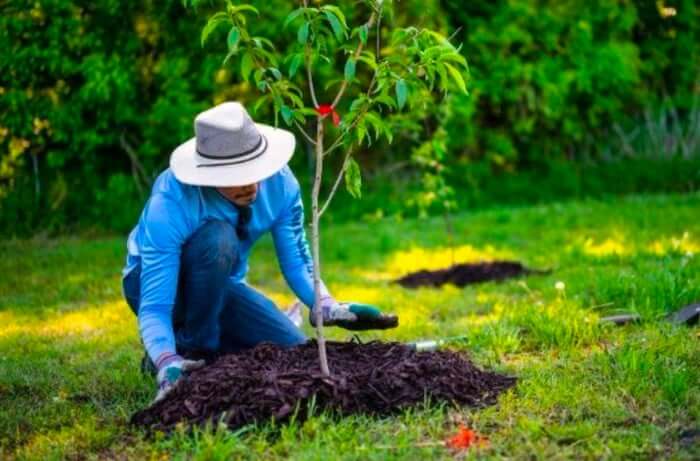
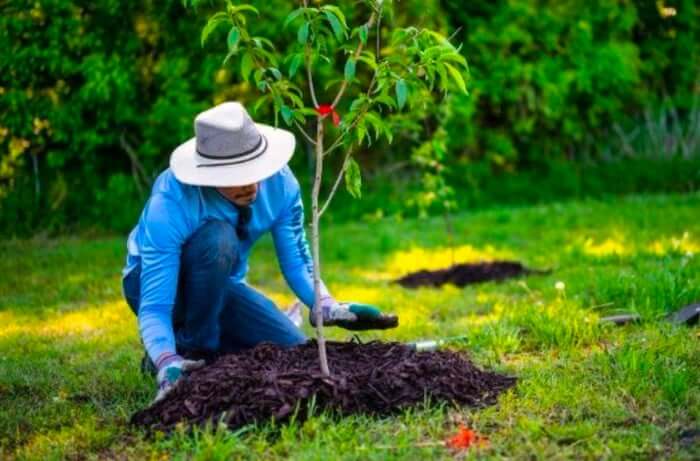
Somewhere in a big-box garden center parking lot, an Orlando homeowner is loading a tree into the back of an SUV. Perhaps it’s some pretty little thing with glossy leaves and a sale tag. Perhaps the label promises “fast growing” and “tropical beauty.” Perhaps it will be in the ground by dinnertime.
And perhaps, 15 years from now or so, a tree crew will be cutting it down because it’s invaded the sewer line and broken the driveway apart or grown into a brittle, storm-vulnerable nightmare.
More than you’d care to think.
Here’s the thing about planting trees in Central Florida: The stakes are higher than most people know. The subtropical climate means nearly anything grows, and grows fast. That’s gratifying when the right species goes into the right spot. It’s a slow-motion disaster when the wrong thing happens. And with Arbor Day a reminder each year that trees are worth celebrating, it seemed like time to talk straight about what to plant, what to steer clear of and why the decision may matter more than doing the planting here.
“Right Tree, Right Place” Isn’t a Cliche—It’s Everything
Before I get into specific species, there is one concept that certified arborists repeat so often it’s practically a mantra: right tree, right place. It sounds obvious. But the sheer volume of trees that are planted without regard for mature size, root behavior, sunlight needs, soil drainage, proximity to structures or overhead utility lines is...quite frankly staggering.
For decades now the University of Florida’s IFAS Extension has been touting this philosophy, and their resources are some of the best available for tree selection in Florida. The basic idea is simple: assess what the size of the tree will actually be (not how big it is in a pot), where its roots are going to spread, how much water it needs, and whether it can withstand the particular circumstances of the area in which you’re planting.
In Orlando that means taking into consideration sandy soil with rapid drainage, a high water table in many neighborhoods, blazing summer sun, persistent hard freezes (yes here too), salt exposure in coastal-adjacent areas like Daytona and New Smyrna and last but not least—hurricane-force winds. It’s a lot to consider. But getting it right when planting the seed avoids an astonishing number of problems down the road.
The Trees That Prosper Here—and Pay Back for Decades
First, the good news. Some truly spectacular tree species are either native to—or welcome in—Central Florida. These are the trees that get arborists excited, the ones that do well in the climate and reward homeowners with shade, property value and resilience.
Live Oak (Quercus virginiana)—The king of the Central Florida landscape. Live oaks live long (centuries, not decades), are extraordinarily wind-proof due to their dense wood and broad low canopy, and when they grow up, their root systems anchor down well. Mature live oaks are among the most wind-resistant trees, according to tests the University of Florida has conducted for its wind damage studies. They’re large—60 feet wide or more at maturity—so they need room. But in that space, nothing else compares.
Bald Cypress (Taxodium distichum)—Florida’s state tree for a reason. Bald cypress is native, equally adapted to wet and dry conditions (despite its swamp associations, it does just fine in ordinary landscape soil) and develops a beautiful form as it matures. The feathery foliage turns a beautiful rust- orange in late fall before releasing—one of the few truly seasonal color displays Central Florida has to offer. Can withstand strong winds, has non- invasive roots and is nearly pest free.
East Palatka Holly (Ilex x attenuata)—A highly underrated plant. This native holly reaches heights of about 30–45 feet, has an upright habit that suits it to planting near structures, produces red berries that attract birds and is tolerant of Florida’s heat and humidity. It’s one of the better options for a medium-sized shade tree in proximity to a house without the concern about roots that more aggressive species raise.
Simpson’s Stopper (Myrcianthes fragrans)—For small spaces, this native Florida species is a true gem. It maxes out at about 15–20 feet, blooms fragrant white flowers, and provides year-round interest. The bark is beautiful, the growth habit tidy by nature and it’s drought-tolerant once established. Ideal for small Orlando lots where a full-sized shade tree won’t work.
Dahoon Holly (Ilex cassine)—Another Floridian native that loves the state’s wet conditions. Dahoon holly is moderately tolerant of occasional flooding; grows to about 30 feet; and makes excellent wildlife habitat. The best option for properties around retention ponds, low-lying areas, or really anywhere given to temporary standing water—things that actually plague a lot of Central Florida’s flat topography.
More top performers to consider: Southern magnolia (beautiful, but needs plenty of space), winged elm (tough, adaptable and underutilized), slash pine (the native species of pines, not the messy sand pine) and red maple (Acer rubrum)—specifically the “Florida Flame” cultivar that is built for our local conditions and gives real fall color.
The Big Day: A Few Very Significant Things
Choosing the right species is half the battle. The other half is planting it properly in the ground—and this is where surprising numbers of trees are doomed to failure before they have even a chance at life.
The most frequent planting error? Planting too deep. You should also be able to see the root flare—that slight widening at the base of the trunk, where the roots start to spread—at the surface of the soil. If the trunk just dives straight into the ground like a telephone pole, the tree is too deep. Buried root flares can (and often will) set any tree up for trunk rot and girdling roots, which can result in slow declines taking years to manifest but that is nearly always fatal. This error is so common that professionals even call it the No. 1 killer of newly planted trees.
Dig the hole wide, not deep. The hole should be two to three times as wide as the root ball and not deeper than the root ball. In the sandy soil of Orlando, wide holes let roots spread out horizontally much quicker. Breaking up some of that compaction on the perimeter is helpful as well.
Skip the soil amendments. That surprises many people. But in Florida’s sandy soil, adding rich compost or potting mix back into the ground creates a “bathtub effect,” where the amended soil retains water differently than nearby native soils. The result? If a plant can be raised in a cushy amended basin, it will never actually let its roots extend out into the soil of the real world. Use that native sand and soil which came out of the hole. The tree has to adapt to its actual conditions.
Water deeply but not forever. New trees in Central Florida require frequent irrigation during the first growing season—typically daily for a few weeks, then every other day, followed by twice a week according to UF IFAS’s recommended establishment schedule. But overwatering—and especially during Florida’s rainy season from June through September—kills more new trees than underwatering. Saturated roots suffocate. Well-drained sandy soil is a big help, but irrigation timers cranked on autopilot during rainy weeks are often to blame.
The Best Time to Plant a Tree
There’s an old saying—I’ll bet you’ve heard it—that the best time to plant a tree was two decades ago, and the second-best time is today. There’s truth in that. But there is a corollary that doesn’t get repeated nearly enough: The worst time to plant a tree is right now if it’s the wrong tree.
One of the things that makes Orlando truly unique is its tree canopy. Driving through old neighborhoods—places like College Park, Winter Park or the Delaney Park district, with those big live oaks billowing over the streets... it’s almost impossible not to appreciate what smart tree planting—back in the day—can result in. That kind of canopy legacy begins with one very good decision: to select the right species, in the appropriate place and provide it with the appropriate care during those early years.
It isn’t the most glamorous facet of homeownership. But it could prove to be one of the most enduring.
If you need assistance with tree planting, variety selection or problem tree removal in the Orlando area, remember Tree Work Now. For years, their skilled crews have provided safe and reliable tree care to Central Florida homeowners—their meticulous crew selection process means they treat each property as if it were one of their own. Learn more at treeworknow.com.
 Please call